

Bio-Based Chemistry: The Rise Of A Green Chemical Industry With Michael Suver

Integrity BioChem (IBC) recently joined The Chemical Show with host Victoria Meyer to share how the company is reshaping the future of specialty chemicals through innovation, scalability, and sustainability. Representing IBC was Michael Suver, Executive Vice President of Specialty Chemicals, who spoke about IBC’s journey, market growth, and the successful commercialization of its biobased surfactant technologies.
From Energy Roots to Specialty Innovation Bio-Based Chemistry
Founded in 2017, IBC began with a biopolymer designed for the oilfield market. The team quickly discovered its potential in other industries. Today, IBC has expanded into mining, industrial, personal care, household, and agriculture.
This shift is powered by in-house R&D, led by Dr. Charlie Landis. With two U.S.-based research centers, IBC works closely with customers to develop tailored solutions.
Launching EdenSurf™ and TegraSurf™
IBC has introduced two new biobased surfactant lines:
-
EdenSurf™: For personal care and household applications. It delivers excellent foaming, low irritation, and good viscosity.
-
TegraSurf™: Designed for industrial, mining, and oilfield use.
Both use a non-fermentation, sugar-based biopolymer that is renewable, scalable, and domestically sourced.
Meeting Demand with Scalable, Bio-based Chemistry
One challenge in green chemistry is scale. Many companies struggle to make enough material to meet demand. IBC solves this by using non-fermentation technology. This allows for faster production and synthetic-level output, without sacrificing sustainability.
Building Credibility Through Partnership
IBC’s partnership with Southern Chemical & Textiles (SCT) has helped bring EdenSurf™ to market. SCT is launching Dextera™, a new surfactant line built on IBC’s technology. This partnership gives IBC faster access to new customers and greater market reach.
What’s Next?
IBC is preparing to launch several new surfactants across multiple industries. Certifications like CleanGredients® and INCI listings are underway to support personal care and household applications.
With strong R&D, growing production, and trusted partners, IBC is redefining what’s possible in sustainable specialty chemicals.


IBC and REDA Oilfield UK Partner to Bring Novel Technology to the North Sea and EU Region
“IBC is excited to be working with REDA Oilfield UK and looks forward to bringing our innovative technology to the region. REDA Oilfield’s network will provide IBC with the market penetration needed to reach our full sales potential,” said Bryce Parker , Executive Vice President of Business Development at IBC.
IBC’s EC Max, CM3315EU and CM3315EU-W products have been registered and accepted onto OCNS’s List of Notified Chemicals suitable for use by the offshore O&G industry for Completion Workover and Drilling. In addition, the products have been registered in NEMS by REDA Oilfield Scandinavia AS for use in Norway.
“We are delighted to represent IBC and this exciting technology within the North Sea and EU Region, adding to and complementing our extensive range of products and services already supplied to our clients,” commented Catherine Strachan, REDA Oilfield’s Technical Director.
Please contact Alessandro Allegrucci via email at alessandro.allegrucci@redaoilfield.com or via phone at +44 (0) 1224 937888 for more information.
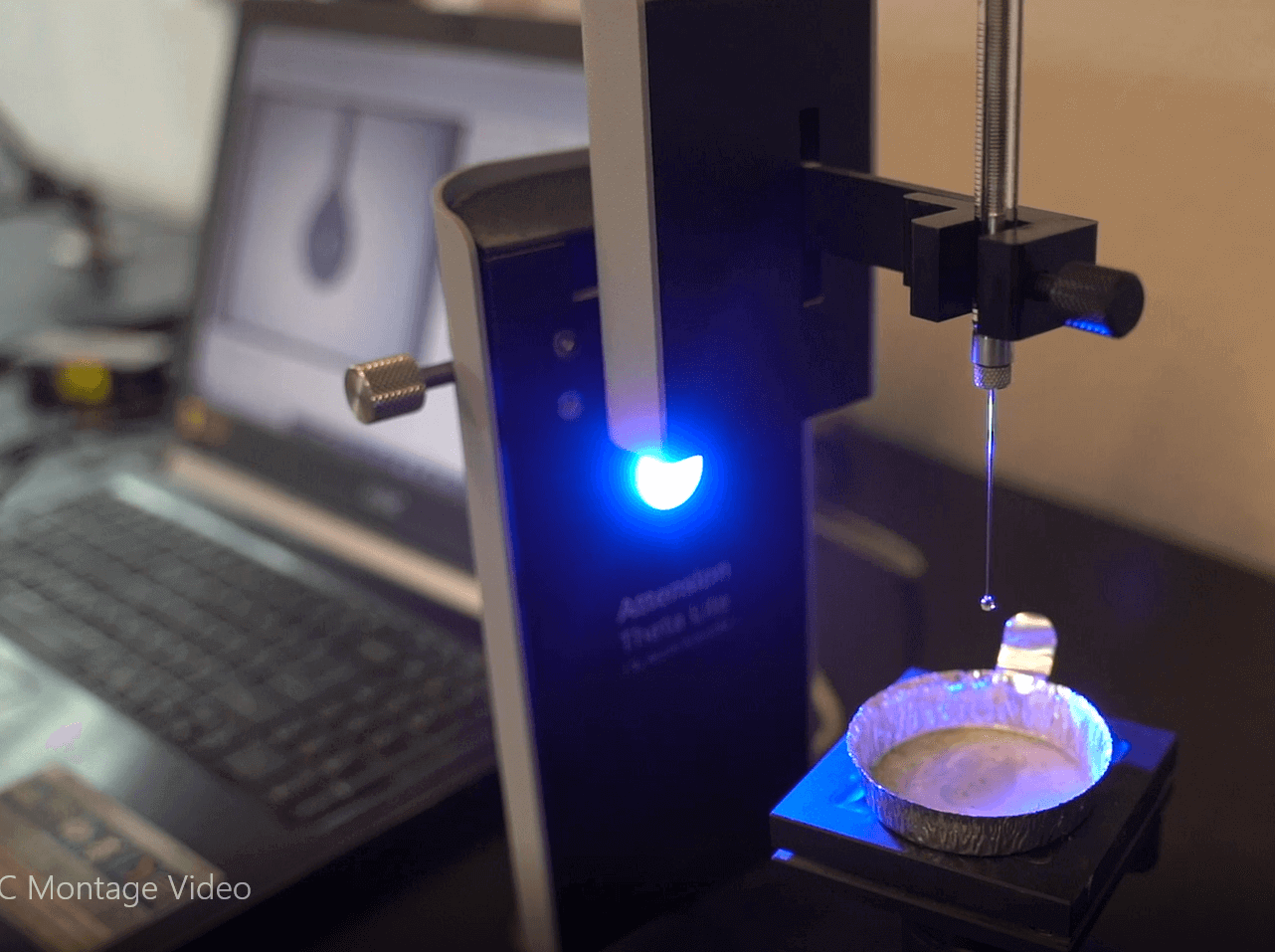
EC Max is Paving the Way for Enhanced Well Conductivity
A New Era in Completion Fluid Additives for Enhanced Well Conductivity
Standard completion fluid systems typically rely on a combination of water or brine, polyacrylamide friction reducers, biocides, scale inhibitors, and oxidizing breakers. While these components remain essential, they don't address a critical issue: fracture face preservation.
That’s where EC Max stands apart.
EC Max introduces a new category of additive designed for reduced proppant embedment and enhanced well conductivity over time. It supports long-term well productivity by preserving the structure of the fracture network—a factor often overlooked in traditional designs.
Performance That Speaks for Itself
EC Max has demonstrated impressive results in laboratory and field applications across multiple shale formations.
-
20–45% relative increase in permeability across various test conditions.
-
In Wolfcamp shale, EC Max delivered a 42% increase in regain permeability.
-
In Berea sandstone, it achieved a 23% increase.
These gains translate directly to improved well performance and extended production life.
Value That’s Easy to Justify
In addition to improving permeability, EC Max helps slow the decline curve often seen in shale production. By maintaining conductivity longer, it contributes to greater cumulative production with minimal added cost.
Operators can expect a strong return on investment with EC Max, especially when weighed against the relatively small increase in completion fluid spend.
Biopolymer Chemistry with a Purpose
Like all IBC oilfield solutions, EC Max is built on our next-generation biopolymer platform. This chemistry is designed not only for performance but also for sustainability and compatibility with existing fluid systems.
It integrates seamlessly with traditional designs while adding a powerful new layer of protection for the fracture face.
Learn More About EC Max
Contact IBC today to request product data, schedule a technical discussion, or learn more about our full portfolio of sustainable oilfield chemistries.
👉 www.integritybiochem.com/energy
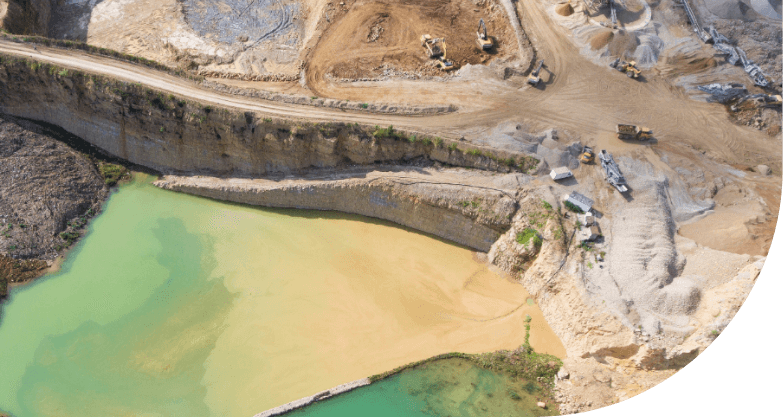
Maximize your Plant Performance and Metal Output
CleanMax™ by IMI: Improving Recovery in Cleaner Flotation Circuits
The flotation process plays a critical role in maximizing plant performance and metal recovery. However, each stage introduces unique challenges that require targeted solutions. That’s why Integrity Mining and Industrial (IMI) offers a complete suite of flotation additives—from the rougher circuit to the thickener slurry.
To enhance performance specifically in the cleaner circuit, we’ve introduced a breakthrough product designed for precision and efficiency.
CleanMax™: Raising the Bar for Cleaner Circuit Chemistry
CleanMax™, the latest innovation in IMI’s flotation portfolio, delivers measurable results in cleaner conditions. This proprietary biopolymer actively targets fine, non-sulfide gangue particles—a major contributor to loss in grade and recovery.
By capturing these particles more effectively, CleanMax™ increases both metal recovery and concentrate grade, making it a smart addition to flotation strategies focused on performance and profitability.
Cleaner Circuit Results You Can Count On
In recent customer trials, CleanMax™ helped drive a 7–10% improvement in gold recovery in the cleaner circuit. These results were achieved without the need for major changes to plant design or operating parameters.
As a result, plant operators are seeing immediate value and faster ROI by integrating CleanMax™ into their flotation workflows.
Unlock Even Better Performance Through Testing
To help customers get the best possible outcomes, IMI offers in-house flotation testing. Our laboratory team evaluates ore samples under controlled conditions, identifying the ideal product fit and dosage rates.
This testing process leads to custom-tailored recommendations that match your ore characteristics, process needs, and recovery targets.
Ready to Improve Your Cleaner Circuit Recovery?
📞 Call us at 817-402-0444
📧 Email info@integrityminingandindustrial.com to schedule your flotation test today.
Full-Circuit Support with IMI Flotation Chemistry
Beyond CleanMax™, IMI provides a comprehensive range of flotation products. These include collectors, depressants, dispersants, and dewatering aids, all developed to support each stage of the flotation process.
We’ve built these solutions on a foundation of proprietary R&D, customer collaboration, and a clear focus on sustainability and performance. As flotation demands evolve, IMI is ready to help your operation stay ahead.

What Happens in this Float Lab Changes the Industry
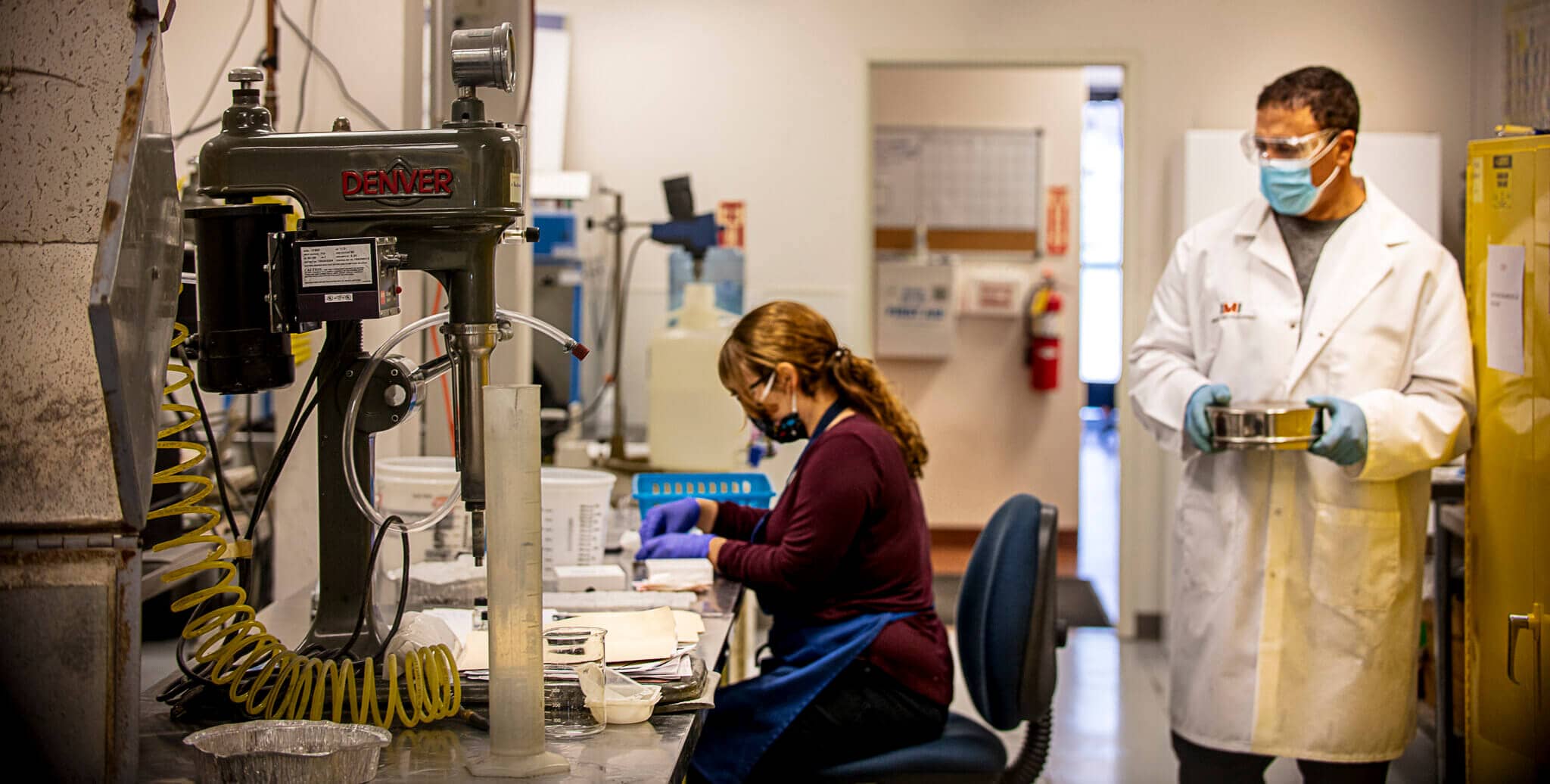
IMI has 3 full-time technicians with over 50 combined years of experience dedicated to testing products for the mining and industrial industries.
Our lab includes 3 Flotation Cells with AA and XRF capability, as well as a full suite of water treatment testing capabilities. As part of our customer service, we run in-house pre-qualification and R&D testing to qualify our products for your applications.
Our flagship product FLOATMAX is a specially formulated biopolymer for use in clay control for froth flotation. We also have products for cleaner circuits and coagulants for municipalities, tailings, or dewatering efforts. IMI will evaluate your ore and reagents to make sure our product is a good fit.
Customers can call 817.402.0444 or email info@integrityminingandindustrial.com to schedule testing.
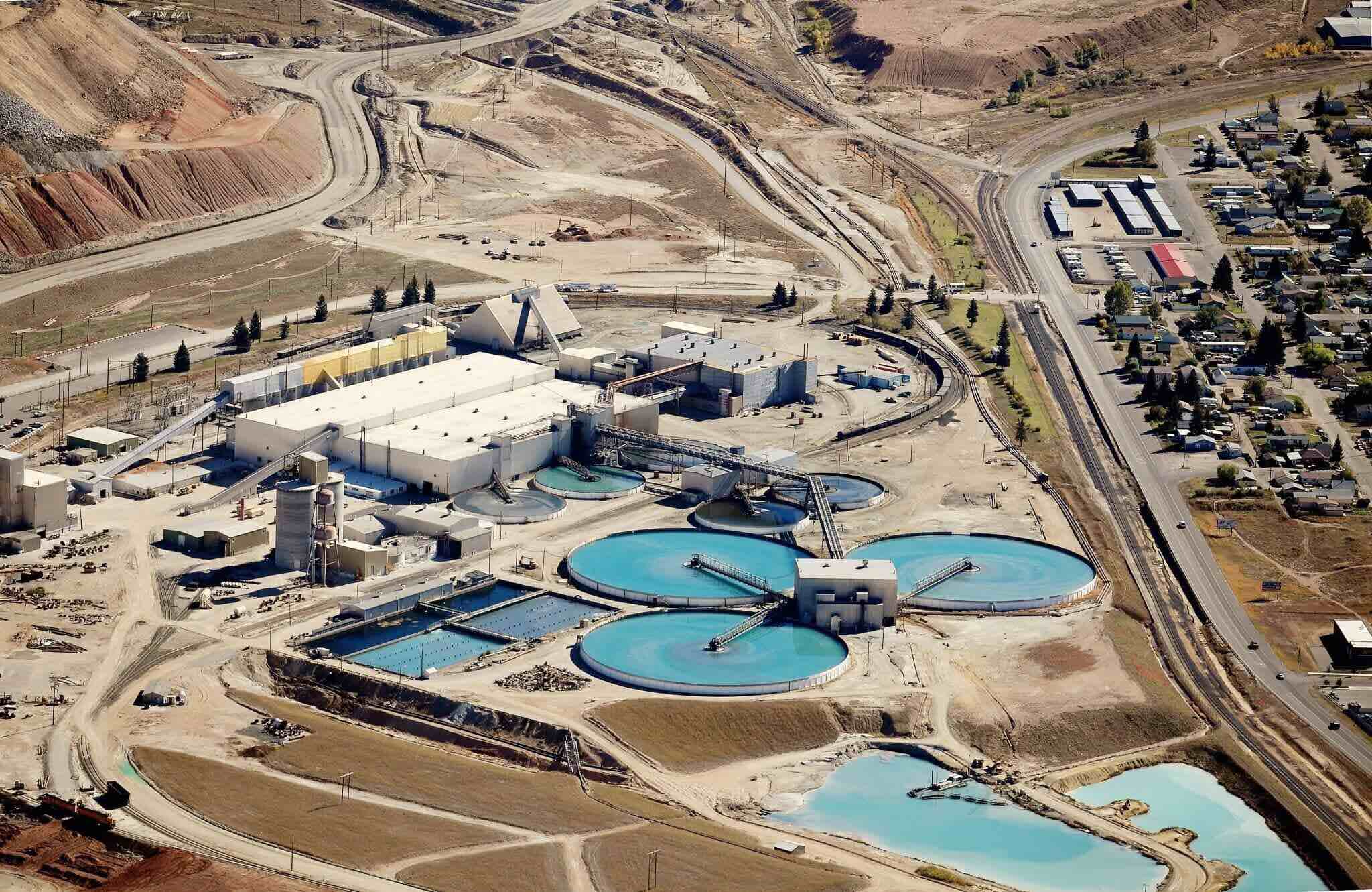
BioClear 3K: A Smarter, Sustainable Solution for Thickeners and Tailings
Expanding Beyond Mineral Additives
While IMI is well-known for its mineral processing technologies, we also provide tailored solutions for the entire flotation and water treatment process. In fact, our latest innovation—BioClear 3K—is designed specifically for thickeners and tailings management, offering both performance and environmental benefits.
Why Traditional Polymers Struggle
Polymer flocculants and coagulants are commonly used to reduce repulsive forces through charge neutralization and bridging. However, many current technologies fail to deliver results in key areas, including:
-
Settling time
-
Turbidity of recovered water
-
Dewaterability
-
Solids content of sediments
Therefore, operations working with high-solids systems are often forced to overdose or combine multiple products—driving up cost and complexity.
BioClear 3K: Purpose-Built for High-Solids Systems
To solve these issues, IMI developed BioClear 3K—a specially formulated biopolymer coagulant that performs exceptionally well in demanding environments such as mine tailings and drilling waste streams.
Unlike many alternatives, BioClear 3K directly addresses the charge differences between fine particles, improving floc formation and settling behavior. Furthermore, it is non-toxic to aquatic life, with an LC50 of over 800 L/m³ and a low recommended dosage of just 0.5–1%.
Sustainable by Design
In addition to performance, sustainability is central to BioClear 3K. Its biobased chemistry supports lower environmental impact while maintaining industrial strength. As a result, operations can achieve compliance goals without sacrificing efficiency.
Reduce Your Flocculant Use and Improve Water Recovery
One of the key advantages of BioClear 3K is its ability to reduce the need for additional flocculants. This lowers chemical consumption while still improving:
-
Water clarity
-
Sediment compaction
-
Overall thickener performance
Moreover, this can lead to faster return water cycles, reduced disposal volumes, and lower operating costs—without the tradeoffs common to conventional coagulants.
Let’s Put It to the Test
At IMI, we believe every site deserves a custom solution. Therefore, we offer in-house flotation and water treatment testing to evaluate how BioClear 3K performs on your specific ore and slurry.
📞 Call us today at 817-402-0444
📧 Or email info@integrityminingandindustrial.com to schedule your sample testing and consultation.
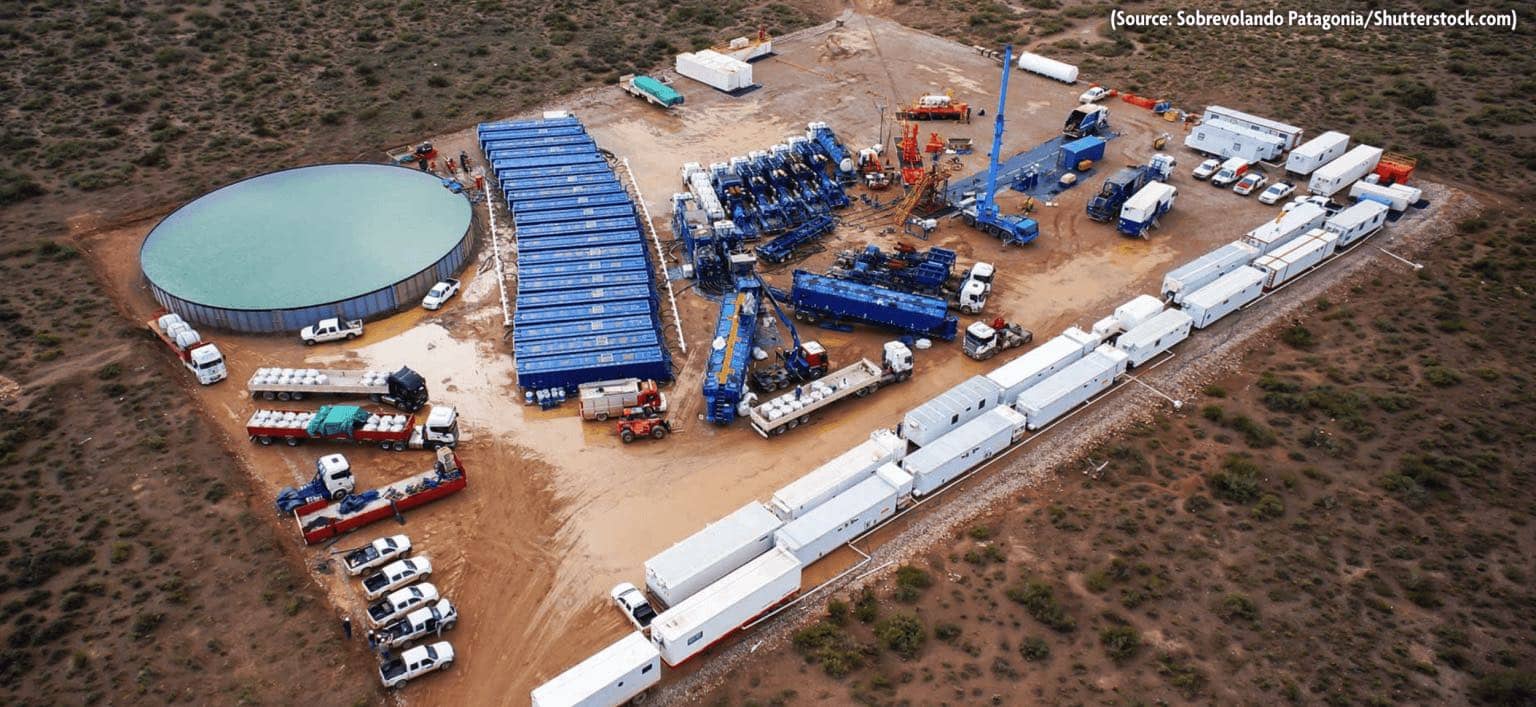
Hydraulic Fracturing Technology Showcase
Photo sourced from: Sobrevolando Patagonia/Shutterstock.com
This article originally appeared here.
Fracture face preservation and enhanced conductivity
EC Max is part of the next generation of completion fluid additives based on Integrity BioChem’s biopolymer chemistry. Whereas typical completion stimulation fluids fall into the traditional buckets of water/brine, friction reducer (FR), biocide, scale inhibitor, surfactant and possibly breaker, EC Max paves the way for a new category that encompasses fracture face preservation along with enhanced conductivity due to embedment mitigation.
The current problem in unconventional reservoirs is that the fluids being pumped create a rapid loss of fracture conductivity due to the softening of the fracture face. This softening increases the rate of proppant embedment. The net results are steep decline curves and less production on these wells.
EC Max bonds with the fracture face at the exact points where proppant embedment is most prone to occur but without altering mineral structures it encounters. It is designed to slow proppant embedment allowing fluid to migrate through the fracture network more efficiently.
Regain permeability results in the Wolfcamp Shale showed a 32% increase in permeability without breaker and 42% with breaker. In the Barrea sandstone, EC Max showed a 23% increase in permeability over FR without EC Max.
Small Investments Can Yield Big Returns
[Editor’s note: This story originally appeared in the April 2020 edition of E&P. Subscribe to the magazine here.]
Reconsideration has been broad, starting as chaotic exercises, but it has evolved with rigor to reveal the outlines of the next generation of fluids. Unfortunately for chemical suppliers, engineering design firms and pressure pumpers that do not hear the operators, the market has become a Darwinian exercise in the survival of the cost fittest. The initial blunt force response by these companies was cost reduction in an effort to keep the lights on. Costs were reduced by reflexively removing additives from fluids like clay control and surfactant-based products, product substitution (proppant) and leveraging supply and demand conditions (polyacrylamide friction reducers).
Not surprisingly, some of these early decisions are now being reconsidered without losing the focus of more diligent cash management. The reconsideration has revealed several pockets of valuable technology introductions, especially for stimulation chemicals.
Future of clay control
None of the common fluid additives have endured more scrutiny than clay control products—deservedly so. The rapid growth of the hydraulic fracturing business in the early 2000s put the industry in a position to reach for the familiar, the easy and the available. Cation exchange-based additives like potassium chloride and choline chloride products, among others, were quickly deployed even though the mineralogy of vanishingly few landing zones contained the smectite-rich zones encountered during drilling. In 2015 it became apparent that the need for swelling clay control was minimal. Clay control was among the first chemicals to be scratched from fluid prescriptions.
However, the dynamic interaction between rock and fluids continued to present clay-related challenges for sustaining hydrocarbon production. Sloughing clays still harmed fracture conductivity and fracture face softening still eased proppant embedment. Both problems fell squarely in the realm of clay control but in a different context to the first-generation clay control products.
Advances in biopolymer chemistry occurred in parallel to the domestic hydraulic fracturing boom and are now available to solve these problems. Specific features such as structure (linear, cyclic, condensed, etc.) and molecular weight are available with capability-controlled production practices. Additionally, economically promising reactions to functionalize these biopolymers for enhanced performance are now serving the oilfield market. These reactions also deliver the certainty of formulation improvement and overall fluid compatibility.
Technical mastery of these features leads to the multifunctionality needed to create value for solutions providers and deliver field production increases in this era of return on investment (Figure 1). New biopolymeric clay control solutions can be chemically engineered to slow proppant embedment, the process that leads to the constriction of the fracture network (i.e., conductivity decrease). Testing shows that first-generation clay control products fail to address proppant embedment. Nor should they. The exchange base reaction designed to address hydration simultaneously reduces the clay structure producing nanoscale voids backfilled with formation waters.
FIGURE 1. An early cumulative production increase was achieved with engineered flow for a Permian Basin hydraulically fractured reservoir. Flow aid produced results compared to a control set of 15 similarly stimulated wells. (Source: Integrity Bio-Chem)
This structural change and subsequent backfilling are likely key factors in fracture face softening that could increase embedment. Although there is much work to be done to understand the dynamic chemistry at the fracture interface, a clay control additive not producing changes in the mineral structure certainly addresses this softening mechanism.
Flow aids
After more than 160 years from the first producing oil well, the industry is still teaching itself how to produce the large remaining oil reserves in low-permeability reservoirs. Estimates of the remaining hydrocarbon resource in newly developed unconventional reservoirs exceed 80%. The industry knows that this oil is still available. Thus far, it focused on optimizing proppant sizing, types and loadings, fluid pumping rates and volumes, perforation density, and sequencing changes to all the above. However, none of these recent efforts access the first 100 μm of the unpropped oil migration path (i.e., the matrix). This unproduced oil is stored in habitats of nanoporous, oil saturated kerogen networks, moldic porosity and parting laminations. The oils of these habitats span a range of hydrocarbon (e.g., linear, cyclic,polar and non-polar) and aqueous (e.g., salinity and metal) chemistry (Figure 2).
FIGURE 2. The chart shows common oil habitats found in unconventional reservoirs. (Source: Integrity Bio-Chem)
The first-generation flow aids are engineered fluid additives typically centered on the established properties of surfactants to increase hydrocarbon production. A key property of flow aids is the ability to lower surface and interfacial tension between liquid-liquid and liquid-solid (mineral) interfaces. This process is called “wetting,” and the main purpose is to lower the energy required for oil to flow through formation waters. By lowering the surface tension of the waters in the near-wellbore region and stimulated rock volume, flow aids are said to connect the reservoir to the well (Figure 3).
FIGURE 3. Using flow aids reduces the surface tension of an oil-saturated Wolfcamp reservoir. The use of flow aids lowers the contact angle and energy required for fluid movement. (Source: Integrity Bio-Chem)
Another property sought from flow aids is to avoid emulsifying the hydrocarbon and aqueous phases in produced crude oil. Both properties are readily assessed by well-controlled laboratory experiments. However, at best, these tests give a first-principle glimpse of how the product may perform in the reservoir.
There is still an opportunity to increase the value of flow aids with advanced formulation chemistry. Current flow aid formulations are relatively primitive and focus on the conditions in the fracture network. Chemically engineered flow aids that are designed to simultaneously interact with more of the individual habitats where larger oil stores reside will improve production in the future. Although the geochemistry of the reservoir and surfactants challenge the compatibility control of these products, precedent for the advanced formulation is found in many consumer markets.
Future value
Chemical solutions providers must accept the fact that the overpromoted products of the first cycle introduced a credibility tax that can now be paid with the value of product multifunctionality. Clear examples exist for clay control and production flow aids. Clay control performance can be expected to simultaneously address hydrating clays, sloughing clays and fracture face softening.
Hydrocarbon production aids can be expected to wet more than one oil habitat in the landing zone, break the oil and manage more reactions between hydrocarbons, waters and metals. The geologic complexity of unconventional reservoirs requires more than singular purpose chemicals. Resource plays are spatially and temporally dynamic assets that are not optimally developed with boilerplate solutions. Chemical technology exists that easily transfers into the oil field, especially for forward thinkers capable of determining the aggregate return of well cost investment on well production.